The utilization of BNB Healthcare Remote Patient Monitoring assists healthcare providers in enhancing their approach to managing highly common and risky disease states that impact the United States population.
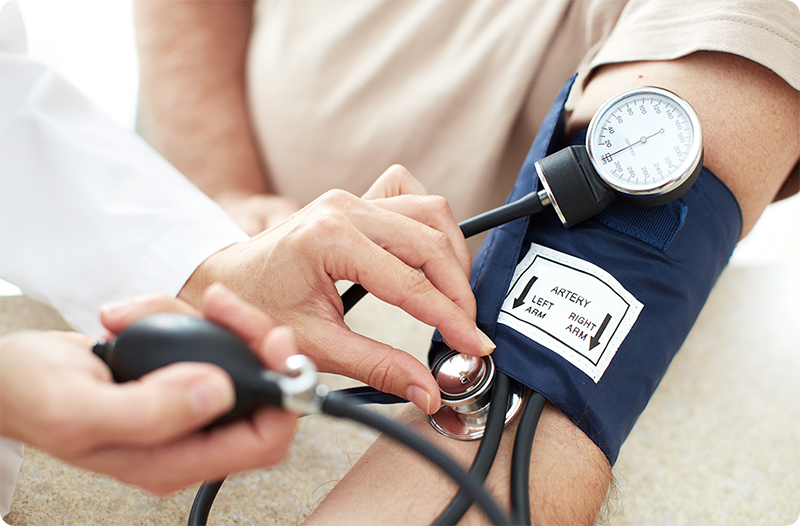
Around half of U.S. adults experience hypertension, commonly known as high blood pressure, with the majority not effectively managing it. Inadequate or absent management of hypertension escalates the risks of heart disease, stroke, and mortality. The main challenge in dealing with hypertension is its often asymptomatic nature, making it difficult to detect without measuring blood pressure.
By utilizing the BNB Healthcare system for remote hypertension monitoring, healthcare providers gain the capability to consistently access and evaluate blood pressure data. This empowers them to recognize potential worrisome patterns and changes, enabling them to offer timely advice and adjustments to the patient’s treatment plan, including modifications to their exercise routine, diet, and medication. This ongoing interaction and refinement process, when needed, enhances patient engagement in their own care and better promotes heart-healthy lifestyles. The American Heart Association has referenced research indicating that remote patient monitoring can enhance hypertension management and decrease blood pressure when compared to traditional care and patient self-monitoring.
Obesity
In spite of the considerable attention it has garnered recently, obesity continues to be a substantial health challenge for the American population. According to data from 2017-2018, over 42% of adults are categorized as obese, a notable increase from the approximately 31% reported in 1999-2000. Obesity has a direct impact on mental well-being and overall quality of life, contributing to major causes of death including heart disease, diabetes, stroke, and specific types of cancer. Additionally, obesity has been demonstrated to elevate the susceptibility to severe COVID-19 illness. Statistical models suggest that around 30% of the over 900,000 U.S. adult COVID-19 hospitalizations that took place between the onset of the pandemic and mid-November 2020 were linked to obesity.
While numerous endeavors to manage and reverse obesity have fallen short, BNB Healthcare’s remote patient monitoring (RPM) achieves success. Employing RPM equips healthcare providers with improved capabilities to offer timely, focused guidance regarding lifestyle adjustments and medication routines that aid in stabilizing or reducing weight. This approach also aids in early detection of concerning patterns and the implementation of personalized remedies. Demonstrated effectiveness of remote patient monitoring lies in its ability to drive behavioral changes crucial for managing obesity more effectively. Enhanced obesity management contributes to the reduction of health hazards, improvement in cholesterol levels, resolution of sleep apnea, and significant cost savings for patients and the healthcare system, among a multitude of advantages.
Congestive Heart Failure (CHF)
How severe is the prevalence of heart failure in the United States? Statistical data reveals that over 6 million adults are afflicted with heart failure, and it was referenced in approximately 400,000 (about 13%) death certificates in 2018. These numbers are predicted to worsen significantly. The American Heart Association forecasts that the count of individuals diagnosed with heart failure will surpass 8 million by the year 2030. Congestive heart failure (CHF), an ongoing progressive condition, has the potential to diminish quality of life and result in mortality.
Though not all the factors contributing to heart failure can be reversed, effective and timely treatment can make a noteworthy impact on a patient’s well-being by aiding in the prevention of heart failure and reducing hospitalizations. Through BNB Healthcare remote patient monitoring, both healthcare providers and their CHF patients attain a higher level of control over the disease. Notably, a consistent or rapid increase in daily weight can indicate fluid retention, a common symptom of heart failure. A gain of 2-3 pounds within 24 hours or 5 pounds within a week could signal heart failure. This weight gain due to fluid retention can go unnoticed if weight isn’t monitored regularly. In fact, patients might accumulate up to 10 pounds of fluid weight without experiencing discomfort or visible swelling.
The BNB Healthcare RPM system empowers providers to detect sudden or gradual weight gain, triggering alerts when cardiac decompensation occurs. This enables swifter action to enhance the patient’s condition and decrease the necessity for immediate or emergent care. Continual weight monitoring is a fundamental aspect of effective management for congestive heart failure, endorsed by the American Heart Association, which notes that weight gain often serves as the initial indicator of worsening CHF.
Chronic Obstructive Pulmonary Disease (COPD)
Chronic lower respiratory disease, predominantly manifested as chronic obstructive pulmonary disease (COPD), stands as the third leading cause of disease-related mortality in the United States. With diagnoses exceeding 16 million Americans, there are likely millions more who remain unaware of their COPD condition. Despite its progressive nature, COPD can be managed effectively. Implementing proper and timely COPD management empowers patients to gain better control over their symptoms, diminish the risk of associated complications, and ultimately experience an improved quality of life.
The preference for chronic obstructive pulmonary disease management is shifting swiftly towards remote patient monitoring, embraced by both healthcare providers and patients, especially given the increased adoption spurred by the pandemic. After devising a comprehensive plan that typically incorporates medications, oxygen therapy, rehabilitation, and support, providers can utilize RPM to oversee the disease with effectiveness and timeliness. Employing an RPM platform such as BNB Healthcare provides providers with access to vital peak flow measurements, which can indicate the likelihood of an acute exacerbation or heightened susceptibility to it. This continuous stream of data enables providers to evaluate the effectiveness of treatment. In addition to peak expiratory flow, various parameters such as FVC, FEV1, FEV1/FVC, FEF2575, FEV6, VEXT, DTPEF, FEF75, FET, FEF25, FEF50, FIVC, FIV1, PIF, FEV3, FEV05, FEV075, and FEV2 are commonly measured through peak flow. Access to patient data facilitates enhanced decision support and adherence to guidance and recommendations for COPD, as well as other lung conditions like asthma and bronchiectasis. The utilization of RPM for COPD management is supported by a growing body of evidence, as highlighted in sources like the Medical & Biological Engineering & Computing article and JMIR Cardio analysis.
Diabetes
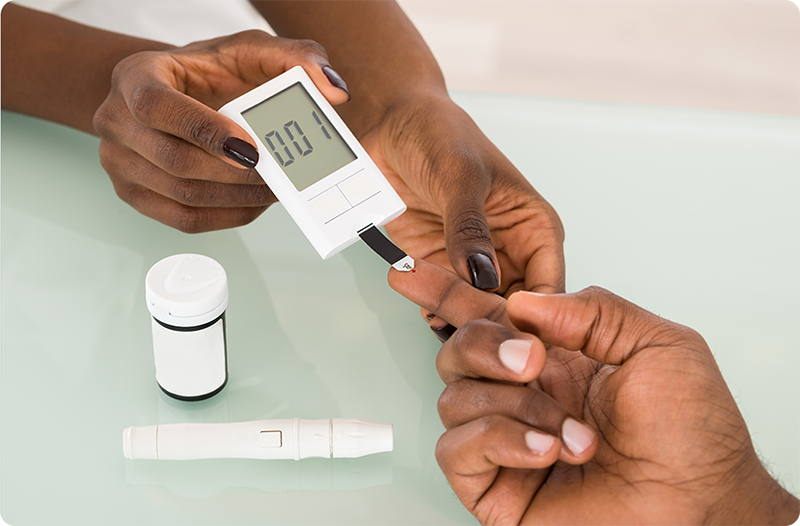
Statistics reveal that over 10% of the United States population, which translates to more than 34 million individuals, are affected by diabetes. Furthermore, a staggering 88 million adults aged 18 and above in the U.S. have prediabetes, constituting over a third of the adult populace. Comparable to various other chronic conditions, diabetes lacks a cure. Nonetheless, similar to many chronic illnesses, the implementation of remote patient monitoring can significantly mitigate the impact of diabetes on a patient’s life. A pivotal aspect of diabetes management is the monitoring of glucose levels, achieved through either continuous glucose monitoring (CGM) or non-continuous methods, based on the type of diabetes.
When integrated with the BNB Healthcare remote patient monitoring system, remote glucose monitoring notifies healthcare providers when notable fluctuations in blood sugar levels arise. By accessing this data and recognizing concerning variations promptly, providers can make timely modifications to a patient’s diabetes management and treatment regimen, thereby maintaining effective disease control. Scientific research has demonstrated the efficacy of remote patient monitoring in managing HbA1c levels among individuals with type 2 diabetes. Additionally, studies have indicated that heightened patient activation and engagement with RPM technology, advantages offered by the BNB Healthcare system, correlate with improved outcomes in glycemic control.
Discover the Impact of BNB Healthcare on Your Financial Performance!
Consistent adherence. Recognition for chronic care services. Complete reimbursement. Effortless qualification. Efficient annual wellness checkups. Straightforward remote patient monitoring. BNB Healthcare enables all of these benefits and beyond. Book a live demonstration now, and allow us to illustrate the possibilities.