With the increasing prominence of wearables and telemedicine, remote patient monitoring (RPM) is gaining traction, proving advantageous for both patients and healthcare professionals. BNB Healthcare equips you with the procedures, tools, and software to deliver care precisely when and where it’s most necessary, regardless of patients’ locations, all without overcomplicating your operational processes.
The user-friendly BNB Healthcare platform offers a comprehensive wellness solution designed to assist practices in achieving compliance, enable patients to reap the full benefits of proactive healthcare, and grant practitioners more time to concentrate on establishing connections and delivering exceptional care. Notably, it adheres to HIPAA regulations and encompasses a wider range of Medicare preventive care aspects compared to any other platform available.
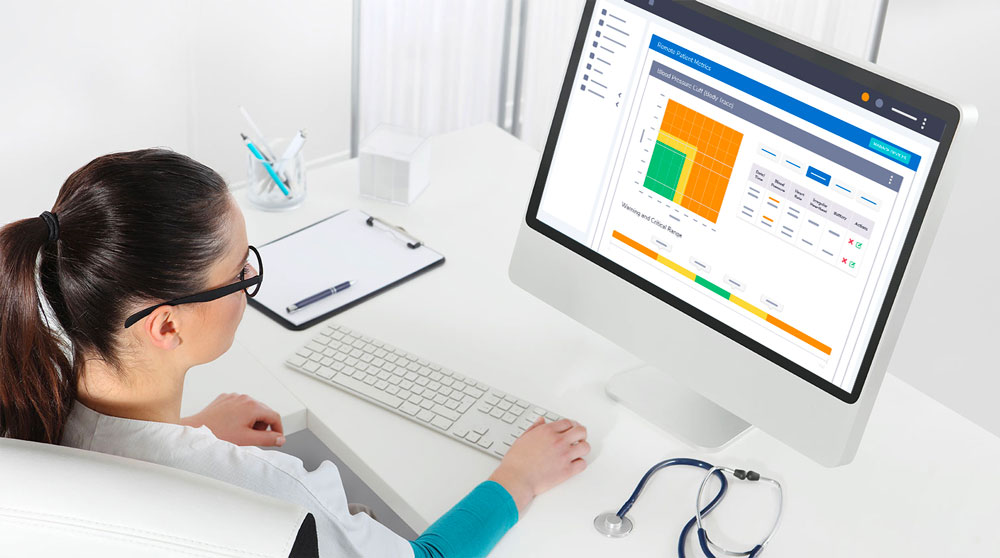
BNB Healthcare RPM empowers patients to proactively manage their health while enabling healthcare practitioners to gather essential data between office visits. With BNB Healthcare RPM, you can monitor your patients' health information and enhance patient engagement from the convenience of their homes, workplaces, or wherever they happen to be.
RPM was designed to extend patient care beyond the traditional clinical setting. Patients utilize connected devices at home, such as heart monitors and blood pressure cuffs, which automatically transmit their health data via cellular networks to their healthcare providers. While many patients already take daily actions to manage chronic health conditions, BNB Healthcare ensures that no vital measurements are overlooked.
Since 2020, Medicare has significantly increased reimbursement for RPM to approximately $120 per patient per month for providers participating in qualified programs. RPM enables your practice to closely monitor even the most vulnerable patients effortlessly and receive fair compensation for your efforts. It might sound too good to be true, but it's the reality.
Daily weight monitoring supports better weight management and fast identification of cardiac decompensation.
Periodic or ongoing measurement of blood sugar levels help detect noteworthy changes in blood sugar levels.
Ongoing monitoring and measuring of weight permits better, more targeted advice for lifestyle changes that can help stabilize or decrease weight.
Effective and timely oversight of chronic obstructive pulmonary disease helps detect exacerbations and leads to improvements in decision support and patient adherence to recommendations.
Reviewing blood pressure data consistently leads to more timely recommendations and patient care plan modifications to decrease cardiac events.
Achieve tangible improvements in the management of hypertension, medication titration and management, weight for CHF, and weight for obesity.
Hold patients more accountable to medical weight-loss goals and identify alarming trends for weight-loss surgery patients.
Spot blood sugar level changes and uncover sugar level highs and lows that fingerstick testing alone may not identify to support timely drug regimen and lifestyle changes.
Ongoing management of COPD, asthma, and other respiratory diseases helps prevent illness progression and improves patient adherence with treatment recommendations.
Most patients – 77% – report that they would be willing to wear technology for
health tracking. BNB Healthcare makes leveraging their information (and being
reimbursed for it all) a similarly happy experience for practitioners.
Every patient is unique – and so are their needs. To help you serve them, BNB
Healthcare can supply devices directly to your patients or accommodate some of the
most common third-party devices they may already be using.

Our devices can be conveniently delivered to either your office or directly to your patient's residence. Moreover, all expenses related to BNB Healthcare devices are covered within your per-patient fee, enabling you to initiate your RPM program without any initial financial commitment. Patient experience is also hassle-free: All our devices feature integrated cellular modems, making setup as straightforward as inserting batteries and powering on the device.

Our platform is designed to seamlessly incorporate the use of devices from various manufacturers, such as Omron, iHealth, and Dexcom, in addition to our own offerings.
Hypertension affects almost half of the adults in the U.S. Studies conducted by the American Heart Association indicate that utilizing RPM can lead to a significant reduction in patient blood pressure, surpassing the results of conventional care and self-monitoring alone. This signifies that remote blood pressure monitoring holds the potential to enhance outcomes for numerous patients, as early detection plays a pivotal role in preventing hypertensive crises, reducing hospital admissions, and lowering mortality rates.
A staggering 42% of the American population is classified as obese, which in turn escalates the risk of various related conditions like heart disease and stroke. Remote monitoring of weight goes beyond merely lowering BMI, as it holds vital significance. In cases of congestive heart failure, abrupt weight gain frequently serves as an initial indicator of deteriorating health or the necessity for medication adjustments. Remote monitoring significantly enhances the potential for early detection, facilitating timely intervention prior to the need for hospitalization or critical medical attention.
Diabetes stands out as one of the medical fields where patients are acutely aware of the potential of digital health, and it is also a domain where remote patient monitoring (RPM) holds remarkable effectiveness. The practice of remotely monitoring glucose levels curtails the necessity for frequent doctor visits, streamlining the management of a condition that experiences fluctuations on an hourly basis. RPM’s impact extends to improving patients’ A1C levels, a critical marker in diabetes care. A study revealed that 70 percent of high-risk diabetic patients managed to reduce their A1C levels with the integration of an RPM device.
About $120 a month per patient. With just 50 patients enrolled, that’s $72,000 a year.
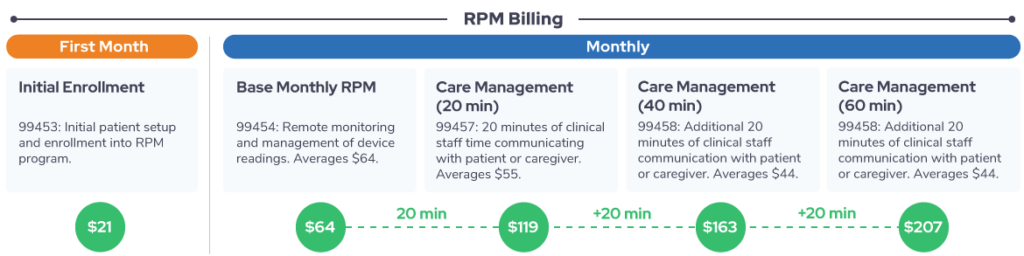
Pay nothing up-front for RPM with BNB Healthcare: our device costs are included in your per-patient fee. You only pay for fully billable services.
BNB Healthcare is more than a software solution, we’re your partner in RPM, with programs tailored to your specific practice needs and patients and support throughout the process from device distribution to info-gathering and billing.
Pay nothing up-front for RPM with BNB Healthcare: our device costs are included in your per-patient fee. You only pay for fully billable services.
According to Medicare guidelines, clinical staff are authorized to provide and oversee RPM services under the overall supervision of the billing provider. However, for CPT codes 99453, 99454, 99457, and 99458, the billing provider must be a qualified healthcare professional (QHCP) or a physician.
For Medicare beneficiaries: Yes, there is. Similar to other Medicare Part B services, RPM services are subject to a 20% copayment by the beneficiary. This copayment is generally not waivable, but it is frequently covered by Medicaid or supplemental Medicare insurance.
Although various organizations have requested CMS to waive copayments for care management services like RPM, CMS has clarified that it lacks the authority to do so under current regulations. However, there is a possibility that this could change as telehealth and RPM become more commonplace, and Congress may be motivated to revise the regulations accordingly.
For private payers, they determine their own copayment structures and might choose to exclude copayments.
RPM is eligible for reimbursement from Medicare, as well as 22 state Medicaid programs (as of April 2020), and an increasing number of private payers. The overhaul of CPT codes for RPM in 2020 triggered numerous changes in coverage policies within the private insurance sector.
The Center for Connected Health Policy provides a comprehensive quarterly review of state RPM policies, available for reference.
Absolutely. Providers are required to obtain and document patient consent in their medical records. While Medicare allows for informed verbal consent, other payers may mandate written consent.
Our BNB Healthcare RPM program has a compliance system in place to ensure that consent documentation is secured before delivering RPM services.
With BNB Healthcare’s RPM solution, you can expand your patient care beyond your clinic’s boundaries and the limitations of your appointment schedule. This enables you to keep track of your patients’ progress between their visits while also receiving reimbursement for your dedicated efforts.

© Copyright 2023 Bnbhealthcare– All Rights Reserved